
Myrelle
BaihuiJiadeEntertainment
1.126.00 Reviews
- Version
- 1.1.5
- Installs
- 50.00K
- Age Rating
- Everyone
Screenshots

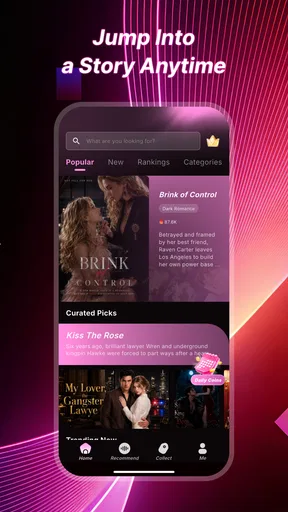
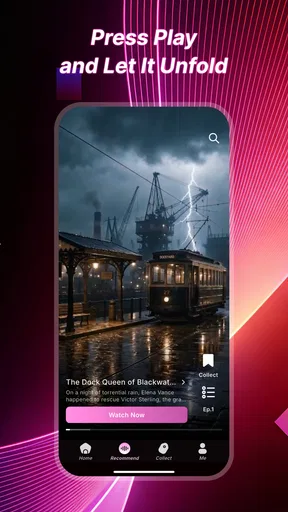
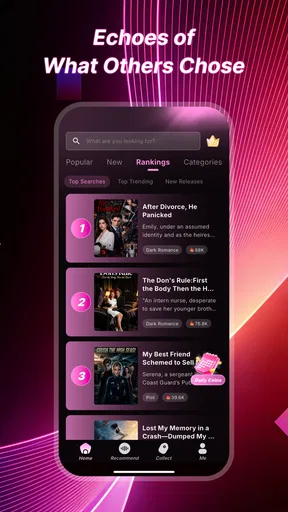
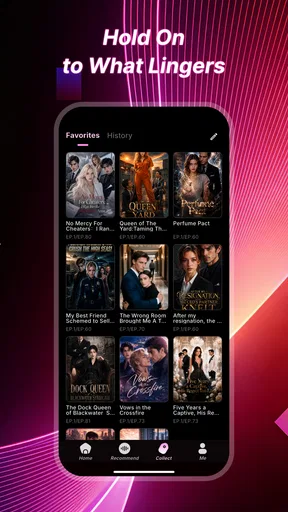
Our Review of Myrelle
 Analysis by Appyee
Myrelle is a free entertainment app from BaihuiJiade that presents itself as a short-drama destination. I approached it with one simple question: does it make short-form storytelling easier to fit into an ordinary day, or is it just another place to scroll? My experience is mixed. The idea is easy to understand, and the format can suit quick breaks, but the app’s very low 1.1 average rating from around 87 ratings is an important warning for anyone expecting a polished, dependable viewing service.
The app is aimed at people who prefer brief dramatic episodes over long films or full television seasons. That focus matters because short dramas are built around frequent cliffhangers and quick emotional turns. You can watch a small piece while waiting for a bus, during a lunch break, or before bed without committing to a two-hour movie. In that narrow role, Myrelle has a clear purpose. It is not trying to replace every entertainment app on your phone; it is trying to make serialized drama feel immediately accessible.
Myrelle is listed for Everyone and runs on Android 7.0 or later. It is currently version 1.1.5, and the listing shows over 50 thousand installs. Those details make it approachable for people using older Android phones, although compatibility alone does not tell me whether the viewing experience will feel smooth on every device. The app is free to install, while individual in-app purchases range from 49 cents to 219.99 dollars, so the payment model deserves careful attention before you spend money inside it.
Why the short-drama format is the real test
The most important capability here is not simply showing video. It is organizing entertainment around short episodes that can be consumed in fragments. That sounds modest, but it changes how I decide whether to open the app. With a conventional streaming service, I usually need to choose a film, remember where I stopped, and reserve enough time to get properly involved. A short-drama app lowers that commitment. I can start something knowing that even a brief session may deliver a complete scene or a meaningful turn in the story.
That convenience comes with a particular rhythm. Short dramas often have to establish a conflict quickly, introduce recognizable character roles, and end scenes with enough tension to encourage another episode. When this structure works, it gives a casual viewing session momentum. When it does not, the experience can feel rushed, repetitive, or overly dependent on cliffhangers. Myrelle’s value therefore depends less on the broad promise of entertainment and more on whether its selection and presentation make that rhythm enjoyable.
I would not choose this app as my main source for carefully paced prestige television. Longer services are generally better when I want deep character development, a large back catalog, reliable recommendations, or a viewing experience designed around a big screen. Myrelle makes more sense when the question is, “What can I watch right now in a few spare minutes?” That is a useful distinction, because it prevents the app from being judged by the wrong standard.
What the format changes during a normal day
In practice, short episodes change the shape of attention. I can watch one while having coffee, pause when something interrupts me, and return later without feeling that I have abandoned a complicated plot. This is particularly useful for viewers who find traditional streaming too demanding after work. The trade-off is that the app may encourage a chain of “just one more” episodes. A short installment feels harmless, but repeated cliffhangers can turn a five-minute break into a much longer session.
That pattern is not automatically bad. Sometimes I want exactly that light, immediate distraction. The important point is to treat Myrelle as a small-dose entertainment tool rather than assuming every session will remain small. If I were introducing it to a friend, I would suggest using it during a planned break and deciding in advance how many episodes to sample. That simple habit makes the format work for me instead of letting the format decide how long I stay.
How I would use Myrelle in practice
The app’s basic appeal is straightforward: open it, find a short drama, and begin watching without the preparation required by a traditional television platform. The short description in the listing is simply “Myrelle,” while the broader store summary makes a much larger promise about changing the entertainment experience. I pay more attention to the actual viewing habit than to that promotional wording. An app earns its place on my phone when it reduces friction during real use, not when its description sounds ambitious.
For a first session, I would avoid spending immediately. I would browse enough to understand the available style of stories, start one title, and watch several episodes only if the opening establishes a clear reason to continue. This is especially important here because the purchase range can extend from a small amount to a very high amount per item. Free installation does not mean every part of the viewing journey is free, so I would treat any unlock prompt as a decision point rather than tapping automatically.
One practical workflow is to use the app as a sampler. Instead of trying to find a complete replacement for a streaming subscription, I would test whether its short-drama pacing matches my taste. I would notice three things: whether the first episode explains the situation quickly, whether the next episode adds something rather than repeating the same conflict, and whether the payment request appears before I have formed a fair opinion. Those observations tell me more about the app’s usefulness than the install count alone.
Another useful habit is to separate discovery from commitment. If a title catches my attention, I would first decide whether I like its storytelling style before considering any purchase. Short dramas can be compelling because of their speed, but speed can also hide thin plots. Giving myself a few minutes to judge the writing prevents the most common mistake with this format: paying because a cliffhanger created urgency rather than because the whole story seems worthwhile.
A realistic everyday scenario
Imagine I have fifteen minutes before an appointment. I do not want to start a film, and I am tired of endlessly scrolling through social feeds. Myrelle could fit that moment well. I can choose a short drama, watch a compact sequence, and stop when I need to leave. The app is more suitable here than a long-form service because the time commitment is visible and manageable.
Now imagine the same app is being used for a family movie night. That is where I would choose something else. The short-episode structure may interrupt the shared atmosphere, and a larger streaming catalog would usually offer better control over genre, duration, and presentation. The Everyone age rating also makes the app broadly approachable, but it does not guarantee that every story will match every family’s preferences. I would still preview the content before handing the phone to a child.
A third scenario is commuting with an older Android phone. Since the minimum operating system is Android 7.0, the app may be relevant to someone who cannot install newer entertainment services. That is a practical advantage, but I would not confuse an older-device requirement with a promise of identical performance across phones. For this kind of user, I would begin with short sessions and see whether navigation and playback feel comfortable before making Myrelle a regular part of the commute.
The trade-offs I noticed before recommending it
The clearest concern is the public reception. An average rating of 1.1 is extremely low, and it comes from around 87 ratings with around 26 written reviews. I cannot treat that as a minor blemish. Ratings do not explain every individual problem, but a score this weak tells me that many users have encountered enough dissatisfaction to leave a negative response. I would therefore recommend trying the free experience cautiously, not assuming that the app’s short-drama concept automatically translates into a reliable product.
There is also a significant financial trade-off. The app costs nothing to install, which lowers the barrier to testing it, but purchases can reach 219.99 dollars for a single item. That upper end is large enough to change how I use the service. I would never enter payment details casually, and I would make sure I understand what an item unlocks before confirming it. If a friend asked whether the app is “free,” I would answer: installation is free, but the viewing path may include paid items, and the possible cost range means caution is essential.
This payment structure can affect the storytelling itself from a user’s point of view. A cliffhanger is enjoyable when it invites curiosity. It becomes frustrating when the next step appears to be locked and the price is not clearly understood. Myrelle is therefore best approached with a personal spending limit. I would decide that limit before browsing, rather than making the decision in the emotional moment immediately after a dramatic ending.
The app’s relatively small install base also shapes my expectations. Over 50 thousand installs show that people have found and tried it, but this is not the same scale as the major entertainment platforms. A smaller audience can mean a narrower selection, less familiar content, or a less mature user experience. I would not install Myrelle expecting the depth, stability, or social familiarity of a long-established streaming service.
The developer is BaihuiJiade, and the current version is 1.1.5. Version numbers can change over time, so I see that information mainly as a useful checkpoint when troubleshooting or comparing the app on different phones. If my experience differs from a friend’s, I would first check that we are using the same version. I would also keep expectations realistic: an update number by itself does not prove that the issues reflected in the rating have been resolved.
Where usual alternatives are stronger
For broad entertainment, I would normally choose a mainstream streaming service. Those platforms are usually better when I want films, longer series, established search tools, profiles, or a dependable way to continue watching across devices. Their weakness is that they can make a short break feel like a research project. Myrelle’s potential advantage is immediacy: its entire identity is centered on short drama rather than a huge mixed catalog.
Social video platforms are another alternative. They are often faster for discovering short clips and may offer more variety, but their feeds can be less focused. If I want a continuing dramatic story instead of disconnected videos, Myrelle’s dedicated format is more appealing. On the other hand, social platforms may be better for people who want comedy, news, tutorials, music, and many other formats in the same session.
Free video services can also be a better choice for viewers who refuse in-app purchases. They may include advertising or have a different catalog, but their payment expectations can be easier to understand. Myrelle becomes harder to recommend to someone who wants a completely predictable entertainment budget, especially because its listed purchase range extends so widely.
Who is most likely to enjoy it
I see the strongest fit for viewers who specifically enjoy serialized short drama and often have irregular pockets of free time. Students between classes, commuters, people waiting for appointments, and anyone who wants a quick fictional escape may appreciate the format. The app is also worth considering for someone with an older Android device who wants to test a dedicated short-drama option rather than relying on a browser or a general video feed.
The best users will be comfortable sampling before committing. They will judge the opening of a story, watch for repetitive plot turns, and keep purchases under control. They will also understand that a free download is an invitation to try the service, not a guarantee that every episode or story will remain free. That mindset makes the app less risky and gives its central capability a fair chance.
I would be more hesitant to recommend it to viewers who demand a polished, highly rated entertainment platform. The 1.1 average is too serious to overlook. I would also steer away people who dislike cliffhanger-driven storytelling, want long uninterrupted films, or do not want to monitor in-app spending. For those users, a conventional streaming service or a clearly free video platform is likely to be a better match.
Parents should approach it with the same care they would use with any entertainment app. The Everyone rating is reassuring as a broad age classification, but it is not a substitute for checking whether an individual drama suits a particular child. The purchase system is another reason to supervise use. A child may understand that the app is free to install without understanding that a dramatic unlock can involve real money.
My final view after weighing the idea against the experience
Myrelle has one genuinely understandable strength: it is built around the kind of short, serialized viewing that fits into small gaps in the day. That is more specific and useful than simply calling it an entertainment app. When I want a quick dramatic distraction and am willing to sample carefully, the concept makes sense. The older Android requirement also keeps it relevant to some users who cannot rely on newer software.
Still, I would not recommend it without reservations. The very low average rating suggests substantial user dissatisfaction, and the possible purchase range means I would be especially careful with unlocks. The app’s short-drama focus is a benefit only for people who enjoy that pace; everyone else may find a general streaming service or a more transparent free video option easier and safer to use.
My advice is simple: install it only if short dramas genuinely appeal to you, watch enough free material to judge the storytelling, and set a firm spending boundary before any purchase prompt appears. If the first few episodes feel repetitive or the payment path feels unclear, uninstalling is the sensible choice. Myrelle is best treated as a cautious trial for short-drama fans, not as an automatic replacement for established entertainment apps.
For the right viewer, that trial may reveal a convenient way to fill brief waiting periods with continuing stories. For me, the idea is more convincing than the overall confidence suggested by its rating. I would keep expectations modest, compare it with the alternatives already on my phone, and recommend it only to a friend who values quick dramatic episodes enough to accept those trade-offs.
Verdict
Strengths of Myrelle
- Simple interface that is easy to navigate for first-time users.
- Useful tools are organized clearly, reducing the time needed to find features.
- Runs smoothly on most modern Android and iOS devices.
- Regular updates can improve stability and add practical refinements.
- Suitable for users who prefer a focused, uncomplicated app experience.
Limitations of Myrelle
- Some features may require in-app purchases or a paid subscription.
- Customization options may feel limited for advanced users.
- Performance can vary on older phones or devices with low storage.
- The app may request permissions that some users consider unnecessary.
- Support and help resources may not be extensive for troubleshooting.
Similar Picks in This Category
View All
Google Play Games
Google LLC3.9

Netflix
Netflix, Inc.4.8

YouTube Kids
Google LLC4.2

Disney+
Disney4.4

Prime Video
Amazon Mobile LLC4.7

Steam
Valve Corporation3.2
Frequently Asked Questions
What is Myrelle and what can I use it for?
Myrelle is an application designed to provide users with a convenient digital experience through its available features and tools. Before downloading it, check the official store description to confirm that it matches your needs, since the exact functions, supported services, and content may vary by version, region, and device. The app may also require an account or specific permissions to work properly.
Is Myrelle free to download and use?
Myrelle may be available as a free download, but some features, services, content, or usage limits could require in-app purchases, a subscription, or another form of payment. I recommend reviewing the pricing information shown on the Google Play Store or Apple App Store before installing it. Also check whether subscriptions renew automatically and read the cancellation terms carefully.
Which devices and operating systems support Myrelle?
Compatibility depends on the version of Myrelle available for your device. Android users should verify the minimum Android requirement, while iPhone and iPad users should check the required iOS or iPadOS version in the official store listing. Older phones may experience reduced performance, missing features, or installation problems, so keeping your operating system updated is advisable.
Does Myrelle require registration, an internet connection, or special permissions?
Depending on how you use Myrelle, the app may request registration and access to features such as notifications, storage, the camera, location, or other device functions. Some tools may work offline, while others can depend on a stable internet connection. Before accepting permissions, review why each one is needed and disable access that is not essential.
Is Myrelle safe to download and how is personal data handled?
For safer installation, download Myrelle only from its official Google Play Store or Apple App Store listing rather than from unknown websites or modified APK files. Before creating an account, review the developer information, privacy policy, requested permissions, and data-safety disclosures. Avoid sharing sensitive information unless it is necessary, and keep the app updated to receive security and stability improvements.
